
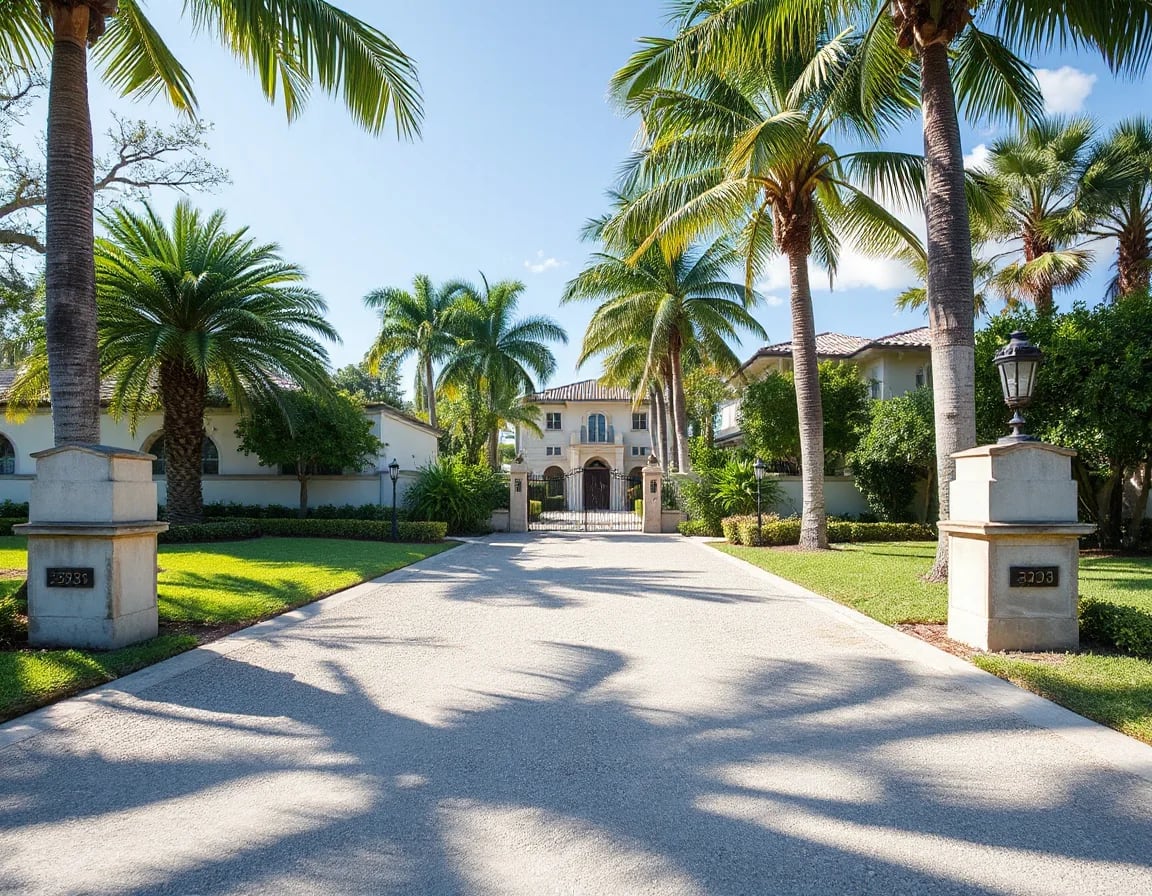
Touring homes in Miami should feel informed, efficient, and well-planned. A strong showing strategy means understanding traffic flow, timing appointments carefully, and paying attention to the surroundings of a property without relying on assumptions. With practical preparation and a local guide who knows Miami-Dade well, buyers can compare homes more clearly and move through the process with greater confidence.
Smart touring starts before you step out the door
House hunting in Miami often looks easy on paper: line up a few listings, plug addresses into a map, and head out. In reality, a productive tour day depends on timing, route planning, and knowing what details matter once you arrive. Between causeway traffic, school-zone slowdowns, dense urban corridors, and neighborhoods with very different street patterns, even a short list of homes can turn into a long day if appointments are not organized thoughtfully.

That is why showing strategy matters. Buyers benefit from grouping homes by area, leaving enough time between appointments, and reviewing listing notes before arrival so they know whether access is by lockbox, concierge, gate entry, or appointment confirmation. It also helps to decide in advance what you are evaluating: street noise, natural light, parking setup, building access, storage, flood-zone disclosures, renovation condition, or commute convenience. When every stop has a purpose, it becomes easier to compare properties objectively instead of reacting only to first impressions.
Jacqueline Folgueira brings a particularly practical lens to this part of the process. Along with extensive real estate experience in the Miami-Dade market, her public-service background as a former police officer supports a detail-oriented approach to route planning, timing, and awareness during tours. For buyers, that translates into a calmer day, better preparation, and fewer avoidable surprises.
A well-planned tour day usually includes fewer homes than buyers first expect. Seeing five properties with enough time for travel, building access, and note-taking often produces better decisions than rushing through ten.
Before the first showing, confirm the basics: wear comfortable shoes, charge your phone, save all addresses, and bring a short checklist. Miami homes can vary widely from one block to the next in lot layout, shade, traffic pattern, and parking restrictions, so written notes are useful later when details begin to blend together.
What to notice on the street and around the property
A confident home tour is not just about finishes inside the home. The approach to the property tells you a lot. As you arrive, look at practical details such as where guests park, how deliveries likely reach the entrance, whether the street is one-way or heavily traveled, how visibility works when backing out of a driveway, and whether nearby buildings affect privacy or sunlight. In condo and townhome settings, pay attention to access points, elevator wait times, lobby flow, and how the building handles entry.
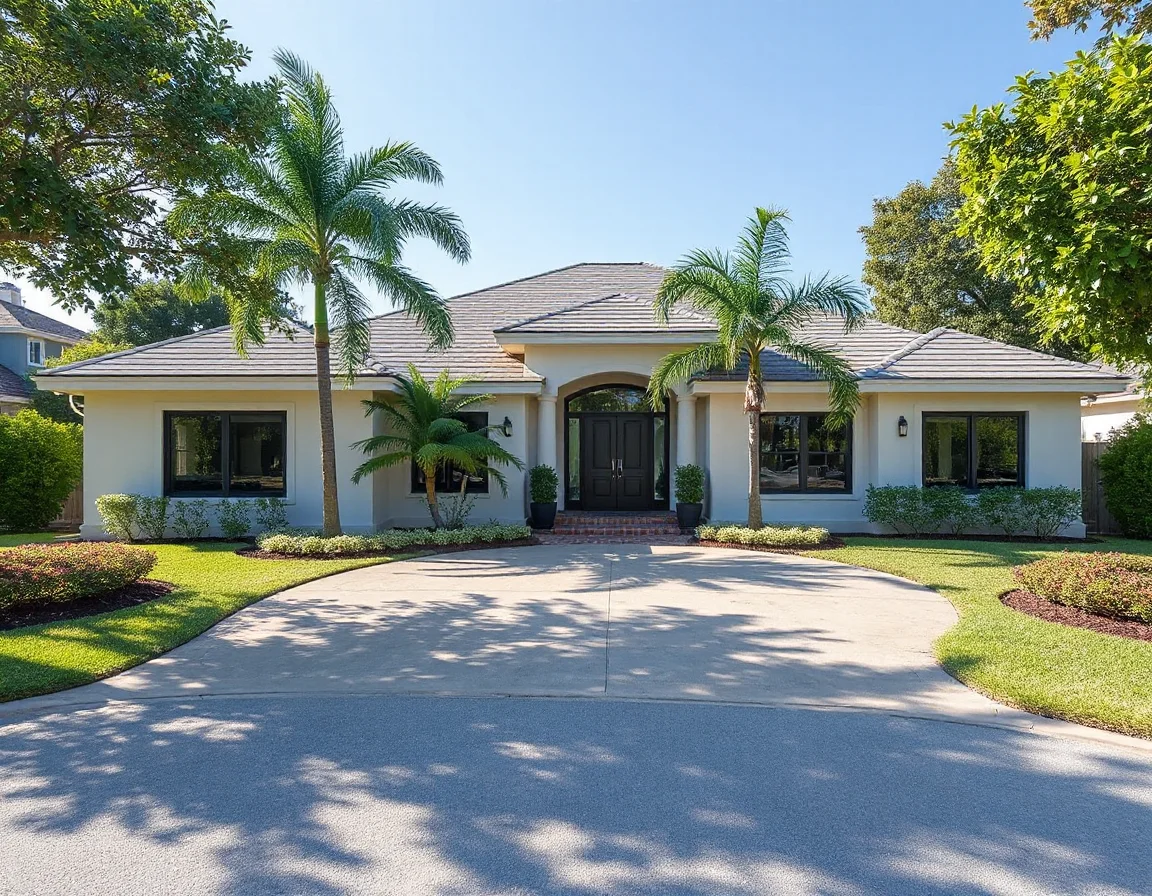
It is also smart to observe the rhythm of the block at the actual time you are touring. A street that feels quiet at 11 a.m. may function very differently during rush hour, evening pickup times, or weekend activity. For that reason, some buyers choose to revisit a top candidate at another time of day before making an offer. This is not about drawing broad conclusions from appearance; it is about collecting real, repeatable information on traffic, access, and how the property fits your daily routine.
Inside the home, stay focused on what can and cannot change. Paint color, staging, and furniture placement are temporary. Ceiling height, window placement, storage volume, noise transfer, and layout efficiency are much harder to alter. If a property checks the major boxes, do not let cosmetic distractions outweigh the structure of the home itself.
When a listing is in a condo or gated community, add a few extra minutes to every stop. Entry procedures and guest parking rules can change the pace of the entire tour schedule.
Miami buyers should also keep weather in mind. A bright sunny day may reveal one set of strengths, while a rainy afternoon may highlight drainage, covered entry, garage convenience, and how water moves around the lot or building entrance. Those details can be useful when narrowing your shortlist.
Showing etiquette, personal awareness, and efficient decision-making
Good showing habits protect your time and help keep the process smooth for everyone involved. Arrive on schedule, avoid bringing unnecessary guests, and respect occupancy instructions if the home is seller-occupied or tenant-occupied. Do not open closed personal containers, medicine cabinets, or private storage areas unless they are clearly part of the property features being shown. A professional tour should feel orderly, not rushed or intrusive.
From a practical standpoint, it is wise to keep valuables with you, stay aware of your surroundings, and move through unfamiliar properties carefully. Stair transitions, pool decks, wet exterior surfaces, and renovation areas deserve extra attention. If something about access, lighting, building entry, or condition raises a question, note it and ask. Clear answers are better than assumptions, especially when you are comparing several homes in one afternoon.
Buyers also gain confidence when they review each property immediately after leaving. Rate the home on a simple scale for layout, condition, location convenience, monthly cost, and overall fit. Take a photo of the exterior or building number if allowed through your showing process, and match that note to your impressions right away. The goal is not to overanalyze every tile choice. The goal is to separate what you liked, what gave you pause, and what follow-up information you need before taking the next step.
That discipline matters in Miami’s fast-moving segments of the market. When inventory is limited in a price point or location, buyers who tour with structure can act more decisively because they already know how a property compares against the alternatives they have seen.
Using local context without guesswork
One of the most useful parts of working with a knowledgeable local agent is getting grounded, objective context. That can include likely commute routes, building rules, flood insurance considerations, permit history questions, nearby amenities, and pricing trends by micro-area. It should never rely on vague impressions or unsupported claims. Instead, the conversation stays focused on verifiable facts that help you choose a home based on your priorities.

For example, a buyer may want to understand whether a location is easier for airport access, whether street parking is consistently limited, or whether a building has a more involved approval timeline. Those are practical issues that affect daily life and transaction planning. They are worth discussing early, especially if you are relocating within Miami-Dade or buying from out of town and trying to compress your search into one or two weekends.
Miami offers an unusually broad mix of housing choices, from high-rise condos to gated communities, historic homes, newer townhomes, and waterfront properties. Each comes with different showing logistics and different questions to ask. The strongest tour experience is one that combines local knowledge, realistic scheduling, and careful observation.
If you are preparing to start your search, think less about seeing the most homes and more about seeing the right homes in the right order. With smart planning, each appointment becomes more useful, and the full picture comes into focus faster.