
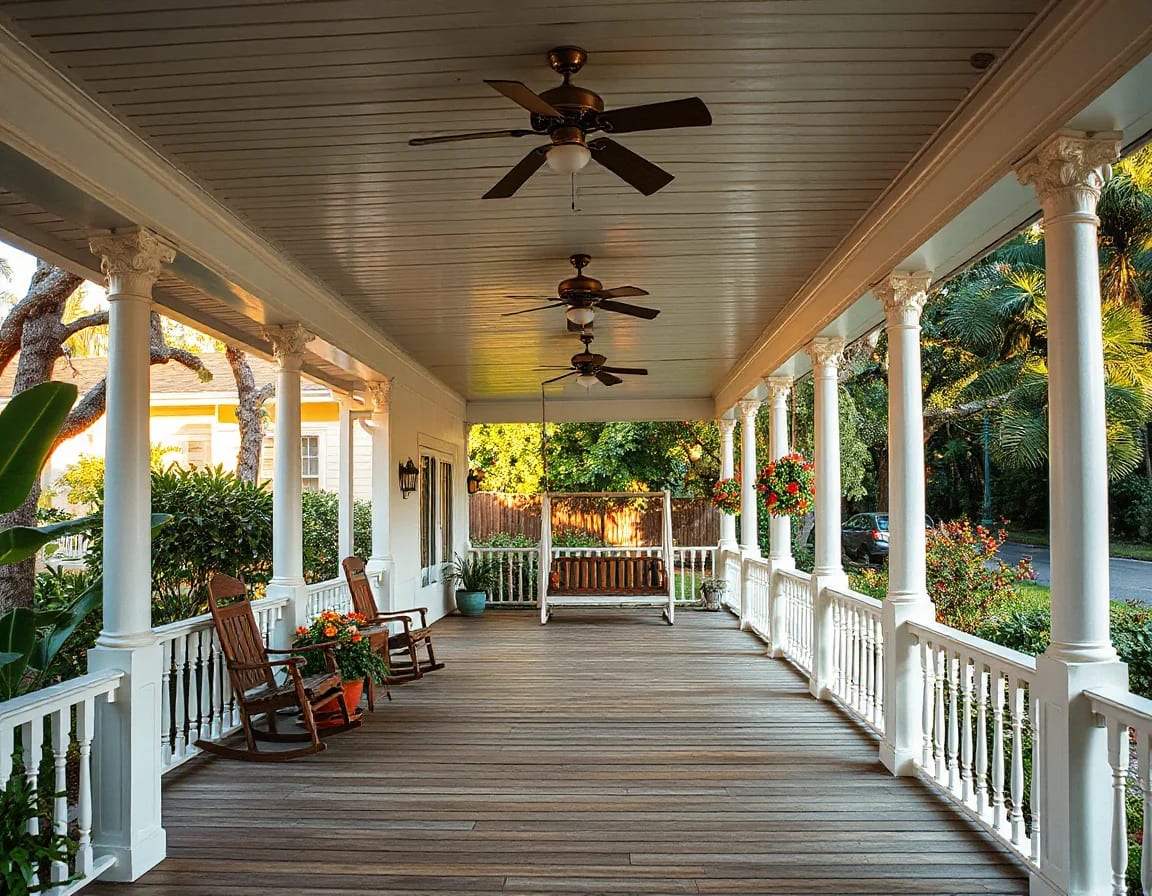
A Coconut Grove home does not need a full renovation to feel more connected to its lush surroundings. With the right mix of indoor-outdoor flow, natural materials, layered shade, and climate-smart updates, everyday spaces can feel calmer, brighter, and more intentional. These ideas are especially useful for owners preparing to sell, refreshing a primary residence, or simply making the most of South Florida living.
Start With the Indoor-Outdoor Connection
One of the most appealing qualities of homes in this part of Miami is how naturally daily life can extend beyond four walls. Mature tree canopy, breezes off the bay, and year-round greenery create a setting that already does a lot of the heavy lifting. The goal is not to force a themed look, but to make the house feel more open to light, air, and garden views in a way that feels polished and easy to maintain.
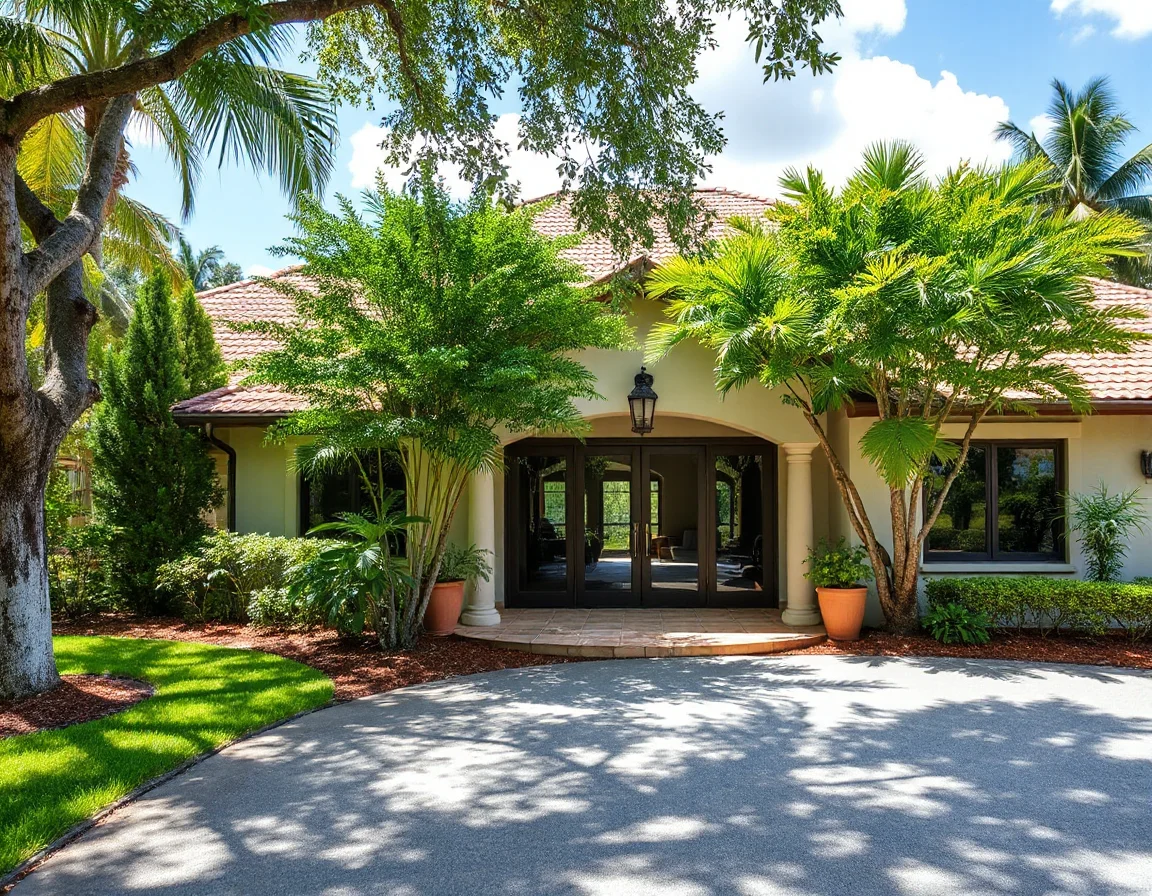
A strong first step is to look at transition points: sliding doors, French doors, covered terraces, balconies, and any room that opens toward a yard or courtyard. If these areas feel visually cluttered, the home can lose the relaxed atmosphere buyers and owners often want in Coconut Grove. Swapping heavy window treatments for lighter options, simplifying furniture placement near openings, and aligning interior seating toward greenery can make the property feel larger without changing the footprint.
Even small adjustments matter. A breakfast area facing the garden, a reading chair near a shaded window, or a consistent flooring tone from inside to outside can help rooms feel intentionally connected. When the view becomes part of the design, the house starts to feel like a retreat rather than just a collection of rooms.
If a room has direct sightlines to trees, a patio, or a pool area, keep that visual path open. Buyers often respond to the feeling of space before they start evaluating finishes in detail.
Use Materials That Feel Natural, Not Overdone
Tropical style works best when it is subtle. Instead of leaning into overly literal décor, focus on texture and tone. Think warm woods, woven accents, linen-like fabrics, matte ceramics, soft whites, sand tones, and greens pulled from the landscape. Those choices photograph well, feel current, and support the architecture instead of competing with it.
In many Miami-Dade homes, tile floors, white walls, and abundant sunlight already provide a clean backdrop. That makes it easier to introduce depth through furniture and finishes rather than construction. A rattan light fixture, wood console, plaster-style lamp, or textured area rug can soften a room quickly. On the exterior, planters, stone pavers, and natural-toned outdoor furnishings can make patios and pool decks feel more composed.
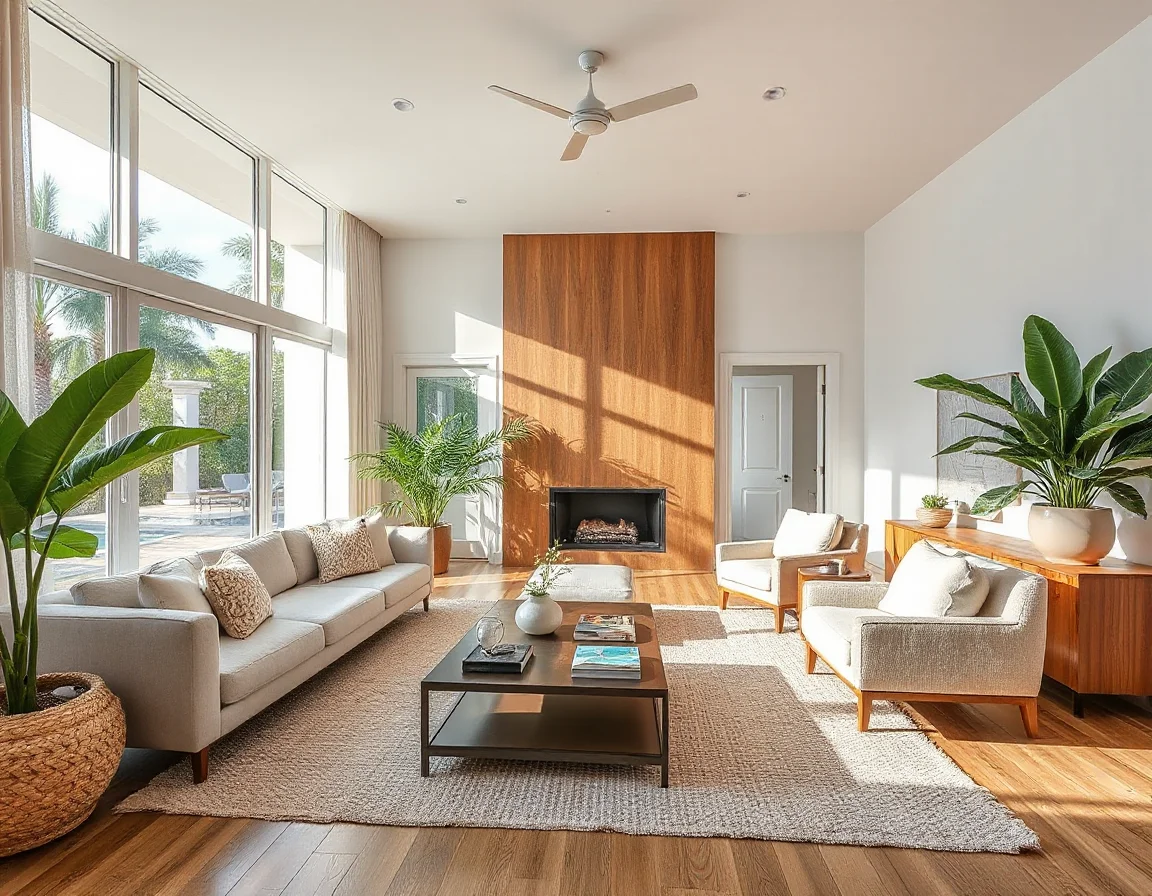
Color should stay restrained. A home near the bay or under a mature canopy does not need loud patterns in every corner to communicate the setting. Often, a limited palette lets the greenery outdoors become the strongest visual feature. That approach also appeals to a broader range of buyers because it feels move-in ready rather than highly specific.
For sellers, this is a practical advantage. Natural materials tend to read as elevated in listing photos, and they help create an impression of calm. For owners staying put, they are usually easier to update over time than trend-heavy pieces that can quickly date a room.
Another often-overlooked detail is scale. A retreat-like feel usually comes from balance, not quantity. One substantial coffee table, one oversized planter, or one statement pendant can do more than layering too many small decorative items. Clean surfaces and breathing room make a home feel cooler and more serene, which is especially valuable in a warm-weather market.
Create Shade, Privacy, and Comfort Outdoors
Outdoor space plays an outsized role in how a Coconut Grove property lives. Whether the home has a compact courtyard, a pool terrace, a deep covered porch, or a larger yard, comfort is what turns that square footage into usable living space. Shade is usually the first priority. Pergolas, retractable awnings, umbrella placements, and strategically positioned trees or tall plantings can make an area feel far more inviting during much of the day.
Privacy also contributes to the retreat effect, but it should come from landscaping and layout rather than a closed-off feeling. Layered greenery, privacy screens, hedges, or fencing softened by plantings can help define a space while still keeping it open and breezy. In the evening, warm outdoor lighting adds another layer of function and atmosphere. Path lights, uplighting on palms, and subtle wall fixtures can make the exterior feel finished without looking harsh.
Comfort underfoot matters too. Clean decking, updated pavers, outdoor rugs in covered zones, and furniture with durable cushions can make the area feel like an extension of the interior. If the property has a pool, the surrounding deck should feel organized and easy to move through, with clear zones for lounging, dining, or simply enjoying the landscape.
In South Florida, the most successful outdoor updates usually combine style with durability. Materials that handle humidity, sun, and frequent rain tend to hold their look longer and reduce ongoing maintenance.
These improvements are not only aesthetic. They help prospective buyers picture how the home functions day to day. A shaded seating area or well-lit courtyard gives shape to the lifestyle the property supports without relying on flashy staging.
Keep the Climate in Mind With Every Update
Design decisions in Miami should always account for heat, moisture, and storms. That does not limit creativity; it simply means the best tropical-inspired homes are also practical. Ceiling fans, impact-rated glass where appropriate, moisture-resistant materials, and easy-care finishes all contribute to a home that feels comfortable and well considered. If an owner is planning improvements before selling, these choices can also reassure buyers who are thinking beyond appearances.
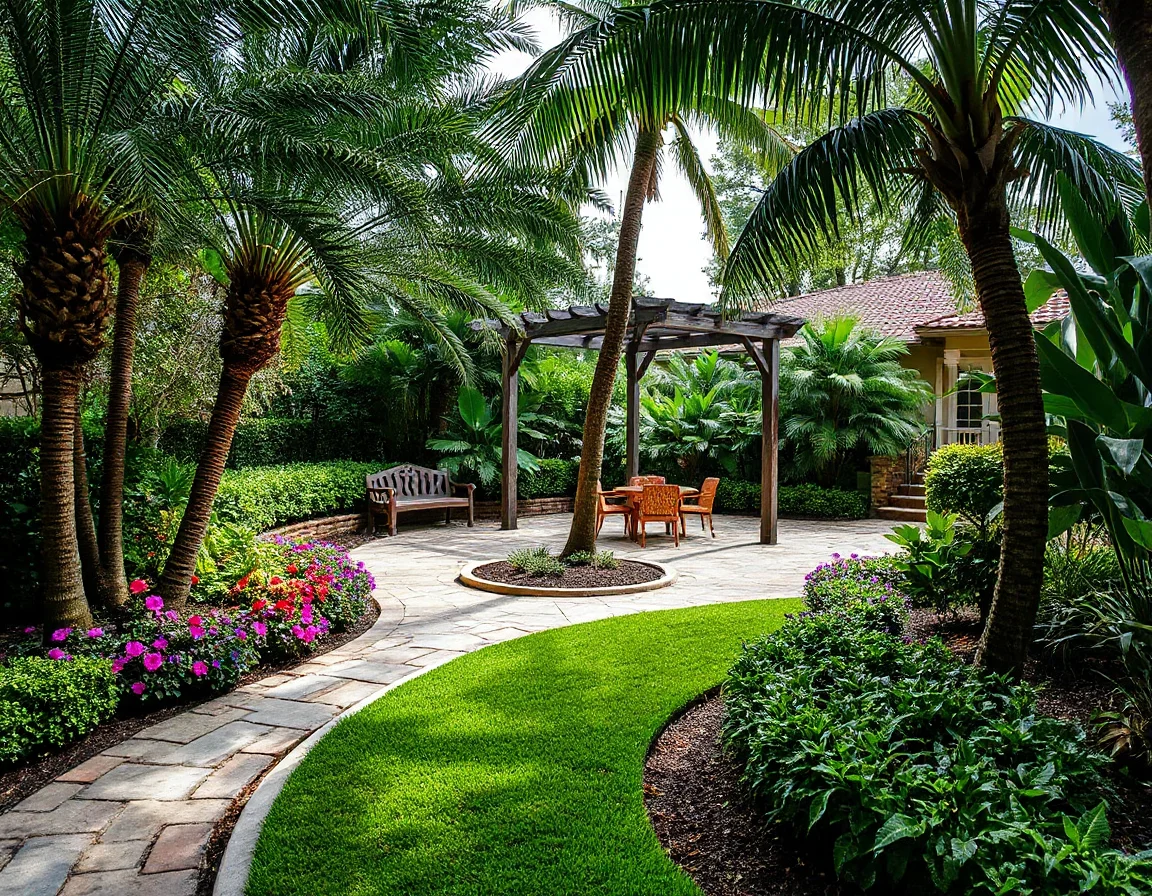
Landscaping is another place where climate-smart planning pays off. Instead of chasing a high-maintenance look, consider layered plantings that suit the environment and frame the house attractively. Healthy trees, trimmed hedges, fresh mulch, and clearly defined walkways can improve curb appeal immediately. The result is a more established, welcoming presentation that photographs beautifully and often feels cooler in person.
Inside, ventilation and light control matter just as much as style. Homes that feel bright but not glaring, airy but not sparse, often strike the best balance. That may mean adding dimmable lighting, changing bulb temperature, or replacing one bulky furniture piece that blocks circulation. In a market where presentation matters, comfort tends to translate into perceived value.
Owners who are unsure where to start may benefit from evaluating updates in layers: first sightlines and layout, then materials and lighting, then outdoor usability. That sequence helps avoid spending heavily on décor before the larger atmosphere is right.
A Retreat Feel Can Also Support Market Appeal
There is a reason this design direction resonates so strongly in Coconut Grove. Buyers are often looking for homes that reflect the area's greenery, architecture, and indoor-outdoor rhythm. A property that feels calm, cohesive, and climate-aware can stand out because it aligns with what makes the location special in the first place.
That does not require a luxury-level budget. Sometimes the most effective changes are editing rather than adding: clearing visual clutter, improving landscaping, refreshing paint, softening hard edges with texture, and making outdoor areas easier to enjoy. When those elements come together, the home feels more intentional, and that impression can carry through from listing photos to private showings.
For anyone considering updates before a sale, or simply wanting a more relaxed everyday environment, the most successful approach is usually the one that highlights what the property already offers. In Coconut Grove, that often means shade, greenery, natural light, and a layout that invites the outdoors in. When those features are emphasized thoughtfully, the home can feel like a tropical retreat without losing sophistication or resale appeal.