

Doral and Coral Gables can both deliver polished neighborhoods, strong amenities, and convenient access to the greater Miami area, but they move at noticeably different speeds. One leans modern, business-connected, and highly practical; the other brings historic character, shaded streets, and a more established architectural identity. If you are deciding between the two, the real question is less about which is “better” and more about which daily rhythm feels easier to live with.
Two highly sought-after locations, two very different feels
Choosing between these two markets often comes down to how you want everyday life to flow. Some buyers are drawn to newer residential communities, contemporary condo options, and quick access to major employment hubs. Others light up when they see mature tree canopies, Mediterranean-inspired homes, and blocks that feel layered with local history. Both areas are well known in Miami-Dade, yet they create very different experiences from morning commute to weekend plans.

Doral often appeals to buyers who prioritize convenience, newer construction, and a layout that supports movement. Roads are broad, retail and dining clusters are easy to reach, and many properties reflect more recent design trends, from open-plan interiors to amenity-rich condo and townhome communities. Its proximity to major highways and business centers can make day-to-day logistics feel efficient, especially for people who want a suburban setting without feeling disconnected from the urban core.
Coral Gables offers a different cadence. Here, architecture and atmosphere are part of the draw. Many streets feature mature landscaping, distinctive facades, and a sense of continuity that comes from long-established planning. The result is a setting that often feels more residential in texture, with a classic South Florida elegance that stands apart from newer planned development. For buyers who care about visual character and a neighborhood experience shaped over time, that can be a deciding factor.
A short drive on a weekday can reveal the difference faster than any listing sheet: Doral tends to feel more movement-oriented, while Coral Gables often feels more layered and residential block by block.
How the housing stock shapes the decision
Inventory is one of the clearest distinctions between these markets. In Doral, buyers frequently encounter newer condos, townhomes, gated communities, and single-family homes built with contemporary finishes and community amenities in mind. That can mean less immediate renovation work, more predictable floor plans, and features such as structured parking, fitness spaces, or managed common areas. Buyers comparing value often appreciate being able to step into a home that aligns with current expectations around layout and maintenance.
In Coral Gables, the conversation usually shifts toward lot size, architecture, location within the neighborhood, and the condition of older homes. Some properties are beautifully updated while preserving original design details; others may invite renovations that balance aesthetics with long-term upkeep. The housing search can be more nuanced because no two blocks feel exactly the same, and no two homes are necessarily solving the same need. That complexity is part of the appeal for some buyers, but it also requires a sharper eye when comparing list prices and true value.
It is also worth thinking beyond square footage. A newer home may offer turnkey ease, while an older home with architectural distinction may offer a different kind of long-term satisfaction. Neither is automatically the stronger choice. The right fit depends on how much maintenance, customization, and ongoing investment you are comfortable with after closing.
Daily life: errands, dining, green space, and movement
The feel of a place is often most obvious in the routines you repeat every week. Doral is known for practical access to shopping, services, golf, parks, and business corridors. Many residents appreciate having everyday destinations clustered in a way that simplifies errands and social plans. The built environment is generally more modern, and that can create a cleaner, more streamlined experience for those who like predictability in their routes and routines.
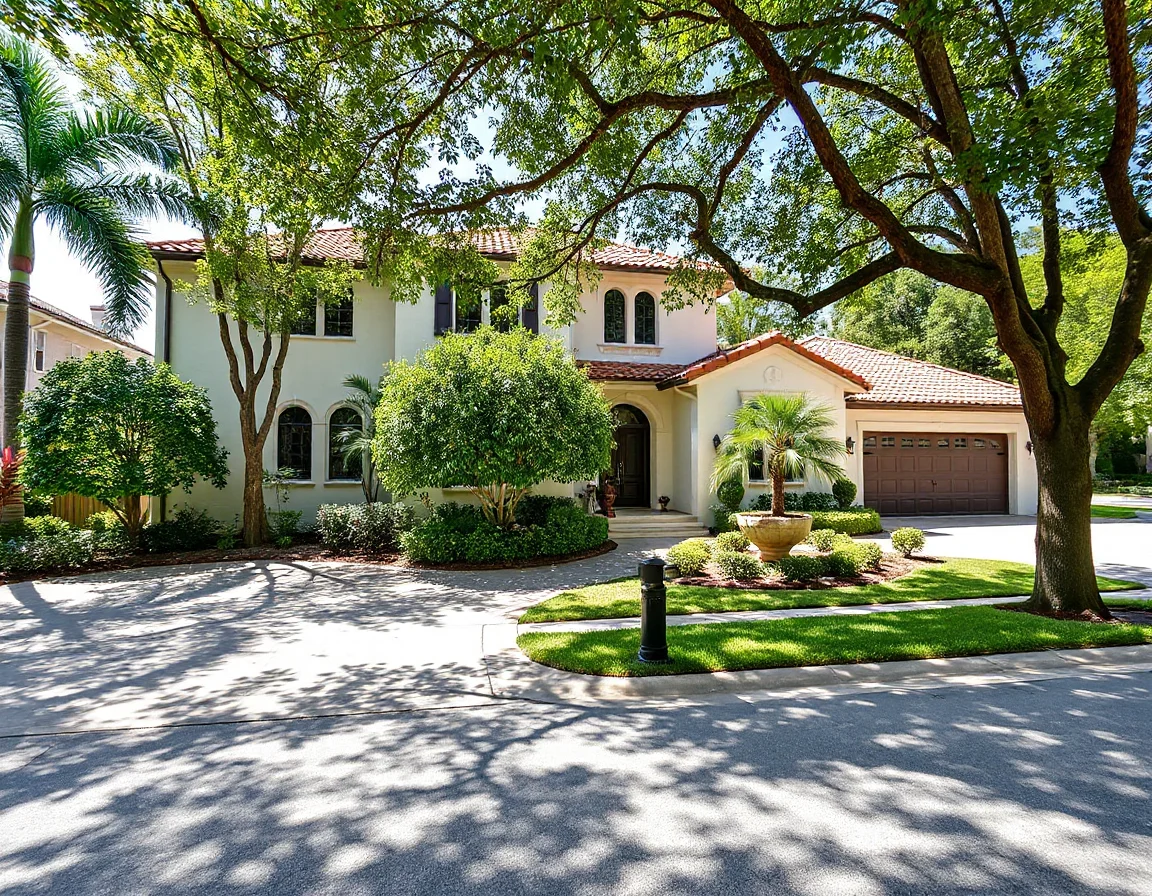
Coral Gables tends to reward slower observation. Its streetscape, public spaces, and established commercial districts often invite more wandering and more attention to design. Dining and cultural destinations are part of the lifestyle equation, but so are small details like canopy coverage, building materials, and neighborhood transitions that feel gradual rather than abrupt. Buyers who enjoy a sense of place that reveals itself over time often respond strongly to that environment.
Transportation patterns matter too. If your week involves frequent airport access, business travel, or cross-county driving, Doral may feel strategically positioned. If you value proximity to older neighborhood fabric, central Miami destinations, and a setting with a more historic visual identity, Coral Gables may have the edge. In practice, buyers often discover that commute style matters just as much as commute length.
When comparing two areas this close geographically, pay attention to how often you will use major roads, local streets, and nearby commercial districts. Small differences in routing can shape your experience every day.
The best way to test this is simple: visit each area during ordinary hours, not only on a weekend afternoon. Try the grocery run, the school pickup route if applicable, the commute to work, or the trip you would actually make most often. What feels calm and intuitive in one location may feel less natural in the other.
Pricing, prestige, and long-term perspective
Buyers often arrive with assumptions about which market is more competitive or more prestigious, but those labels can oversimplify the decision. Coral Gables has long carried strong recognition because of its history, architecture, and established reputation. Doral has built its own momentum through location, growth, and a housing mix that serves a wide range of buyers looking for modern options in western Miami-Dade. Both can be competitive depending on property type, condition, and pricing strategy.
What matters more than reputation is whether a home supports your financial comfort and long-term plans. A newer property with lower near-term repair needs may be the smarter choice for one buyer, while another may see more upside in a distinctive home on a well-located Coral Gables street. Insurance, association fees where applicable, renovation budgets, and resale flexibility should all be part of the comparison. Looking only at the purchase price can hide the real cost of ownership.
That is also where local guidance matters. A buyer comparing these two areas needs more than basic listing alerts; they need perspective on pricing patterns, neighborhood micro-differences, and how specific homes are likely to compete. Jacqueline Folgueira of Keller Williams Capital Realty brings broad Miami-Dade experience to that conversation, helping clients evaluate not just a house, but the lifestyle and ownership picture around it.
So which suburban rhythm fits best?
If you prefer contemporary communities, practical access, and a market where newer construction is easier to find, Doral may feel more aligned with your pace. If you are drawn to historic character, architectural personality, and a more established neighborhood atmosphere, Coral Gables may feel more compelling the longer you spend there. Both offer strong reasons to buy; they simply organize daily life in different ways.

In the end, this is a choice about rhythm. One location may help your week run smoothly; the other may make your surroundings feel richer and more rooted. The strongest decision usually comes from matching the home search to your actual routines, priorities, and tolerance for maintenance rather than chasing a broad market reputation. Tour both carefully, compare ownership costs honestly, and let the right fit reveal itself through the details.
When buyers take that approach, the answer becomes clearer: not which address is more famous, but which one makes everyday life feel more manageable, more enjoyable, and more in sync with what matters most.