
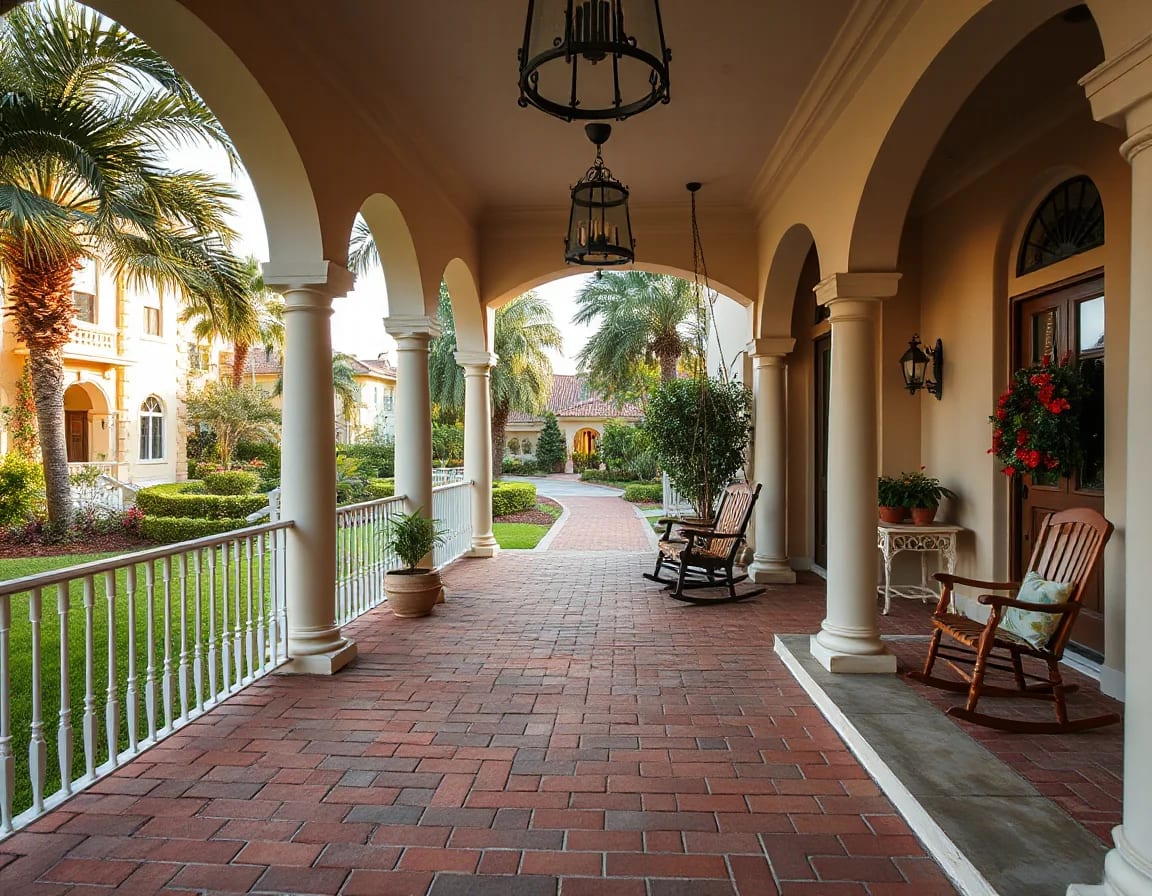
Some homes hold value better than others, and in Coral Gables the reasons are often visible long before a sale closes. From lot placement and street layout to architectural consistency and nearby amenities, certain details tend to support stronger long-term demand. Knowing how to spot those clues can help buyers compare options more clearly and help sellers understand what makes their property stand out.
Why some Coral Gables homes stand out over time
In a market known for mature trees, historic character, and distinctive architecture, lasting value usually comes from a combination of location fundamentals and property-specific strengths. Buyers often focus first on finishes, paint colors, and staging, but long-term performance tends to lean more heavily on elements that are difficult to change later. Street appeal, lot usability, access patterns, and a home's relationship to the surrounding blocks all matter.
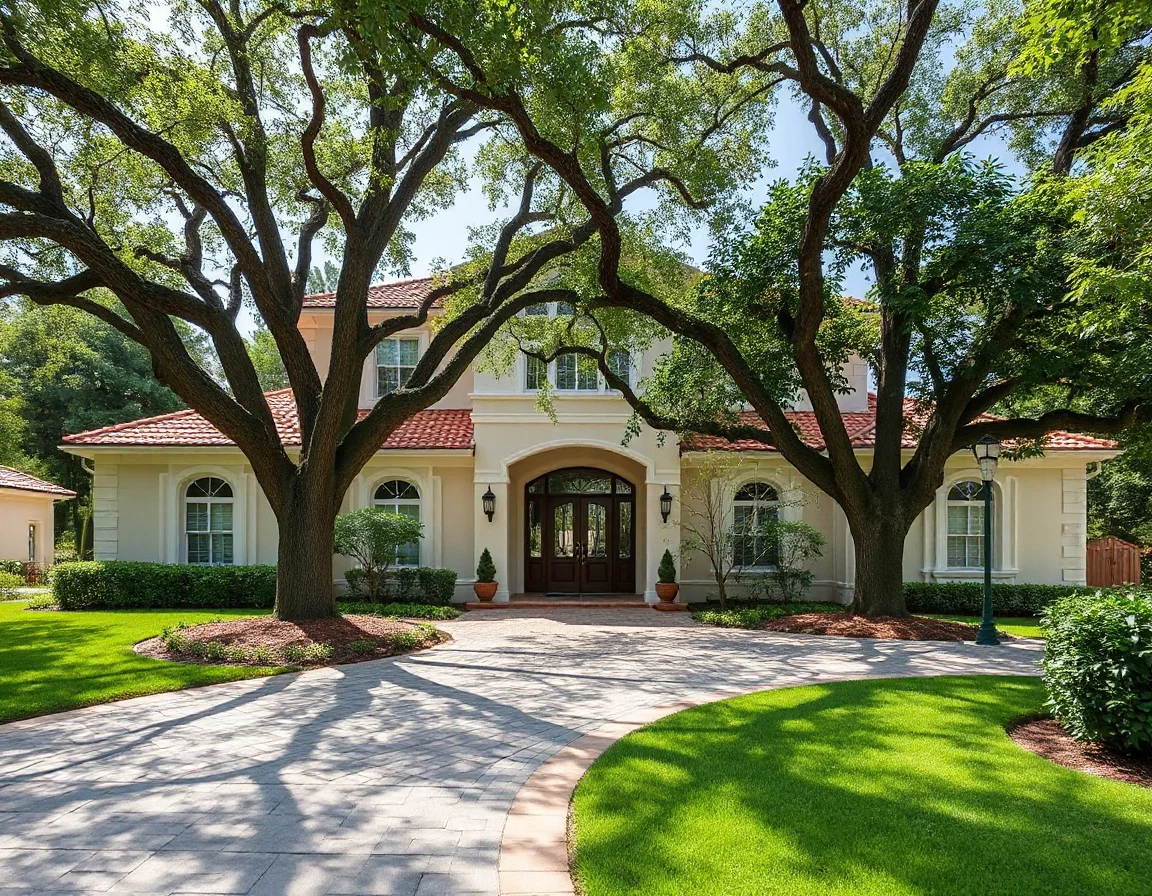
The first clue is consistent neighborhood presentation. Blocks with well-maintained homes, established landscaping, and architectural cohesion often create a stronger impression over time than streets with frequent visual disruption. This does not mean every house must look identical. In fact, Coral Gables often shines because homes have personality. What tends to support value is a sense that the street feels orderly, cared for, and stable.
A second clue is tree canopy and lot character. Mature landscaping can influence curb appeal, shade, and the overall feel of a property before anyone steps inside. In Coral Gables, where outdoor presentation is part of the area's identity, a home that sits comfortably on its lot with balanced greenery and usable outdoor space often attracts durable interest. Buyers may update kitchens and baths, but they cannot quickly recreate decades of growth and established setting.
When two homes offer similar interior square footage, the one with stronger lot presence and better street placement often earns more attention first—and that early attention can shape pricing momentum.
The third clue is street position. Corner lots, interior lots, and homes near major traffic corridors each appeal differently depending on layout and privacy. Many buyers place a premium on streets with calmer traffic flow and comfortable parking patterns. Value durability is often tied to daily livability: easier ingress and egress, reduced traffic noise, and a sense of separation from busier routes can all support broader future demand.
The layout details that buyers keep valuing
Beyond the block itself, the fourth clue is a floor plan that ages well. A home does not need to be enormous to perform well over time, but it usually benefits from a layout that feels practical. Clear circulation, good natural light, bedroom separation where possible, useful storage, and a comfortable transition between indoor and outdoor areas are all features that continue to matter through changing design trends.
The fifth clue is parking and functional access. In many established neighborhoods, these details become more important with time, not less. A driveway that works well, a garage with practical dimensions, or rear access that improves convenience can become a major advantage. Everyday functionality has real value, especially in areas where lot configurations vary and older homes may not all offer the same ease of use.
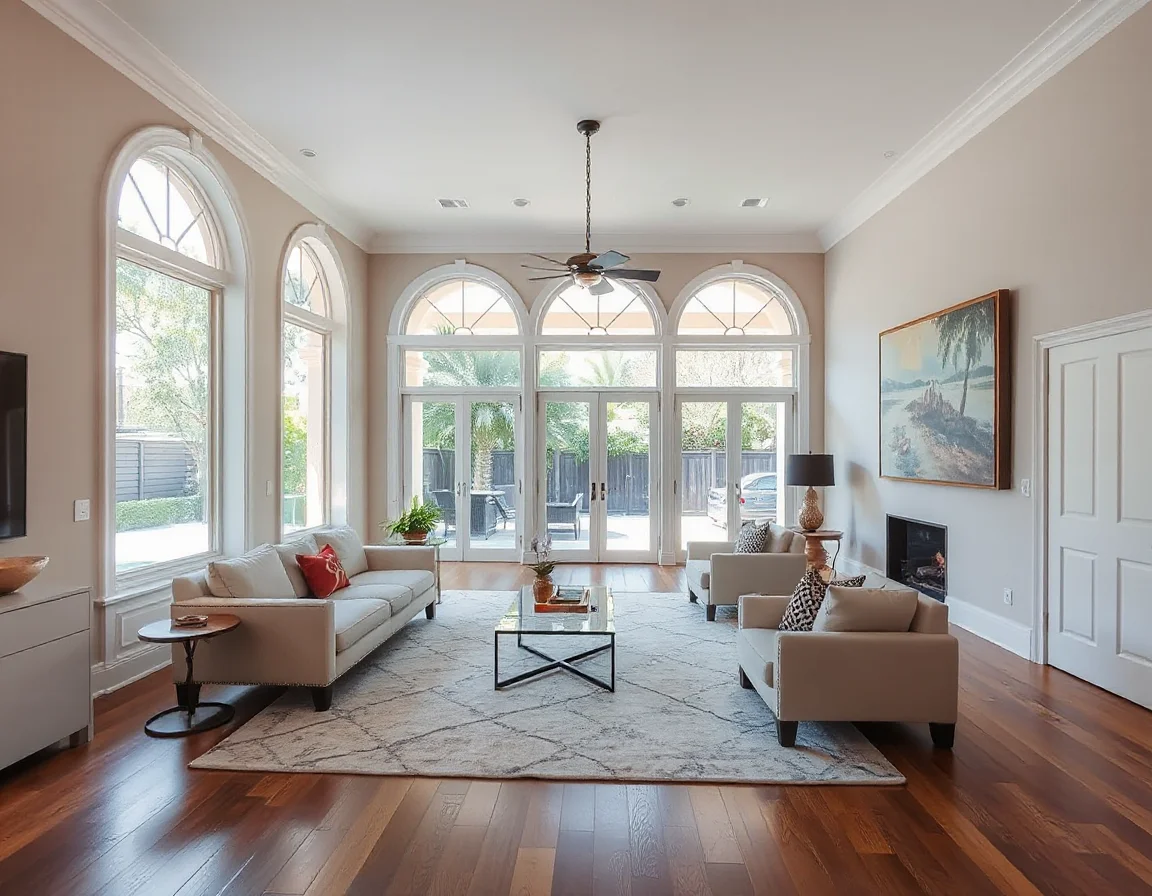
The sixth clue is timeless renovation quality. Updated homes can command attention, but the most durable improvements usually feel integrated rather than trendy. Buyers often respond well to materials, fixtures, and design choices that fit the home's architecture instead of fighting it. In Coral Gables, this can mean preserving arched openings, respecting original proportions, or selecting finishes that complement Mediterranean, Old Spanish, or classic South Florida design language.
There is also a practical side to this. Windows, roofing, mechanical systems, drainage, and storm-readiness improvements may not create the same instant emotional reaction as a dramatic kitchen reveal, but they often weigh heavily in value conversations. A polished house that also shows substance behind the walls tends to create more confidence than one that looks updated only at the surface.
Cosmetic appeal may draw a showing, but durable systems and a floor plan that still works five or ten years from now are often what protect resale flexibility.
What nearby amenities can signal stronger staying power
The seventh clue is proximity to useful amenities without sacrificing setting. Homes that offer convenient access to parks, golf, cultural venues, dining, and major commuting routes often remain competitive because they support a wide range of daily routines. The key is balance. A property close to popular destinations may benefit from convenience, while one tucked too close to heavy activity may trade away some quiet enjoyment. Value often lives in the middle ground.
Coral Gables has long drawn attention for that balance. Its streetscape, public spaces, and recognizable architectural identity create a sense of place that is difficult to duplicate elsewhere. For buyers, this means evaluating not just the home itself but how the property connects to the area's long-term appeal. Can you reach parks or local gathering spots easily? Does the immediate block feel in step with the broader neighborhood pattern? Does the home benefit from the visual consistency that helps the area remain distinctive?

Another smart step is to compare homes through the lens of replacement difficulty. Paint, appliances, and light fixtures can be changed. A better street, superior lot orientation, stronger block presentation, and a more functional footprint are much harder to replicate. That is why two houses with similar bedroom counts can perform very differently over time. One may simply have the harder-to-copy advantages.
For sellers, these same clues can shape pricing and marketing strategy. A property with proven curb appeal, practical access, architectural integrity, and strong location fundamentals deserves to be framed around those enduring strengths, not just current décor. For buyers, recognizing these signals early can make it easier to separate a home that merely photographs well from one with real staying power in the market.
A smarter way to read long-term value
Lasting home value is rarely about one dramatic feature. More often, it comes from a stack of advantages that work together: an appealing block, a useful lot, solid access, an adaptable layout, quality updates, and location convenience that feels natural rather than forced. In Coral Gables, those qualities often show up in subtle ways, but they can have a meaningful effect on future demand.
If you are weighing homes in the area, it helps to look past what is easiest to change and focus on what will still matter years from now. That approach creates clearer decisions, better comparisons, and a stronger understanding of why some properties continue to stand out even as the market shifts.