
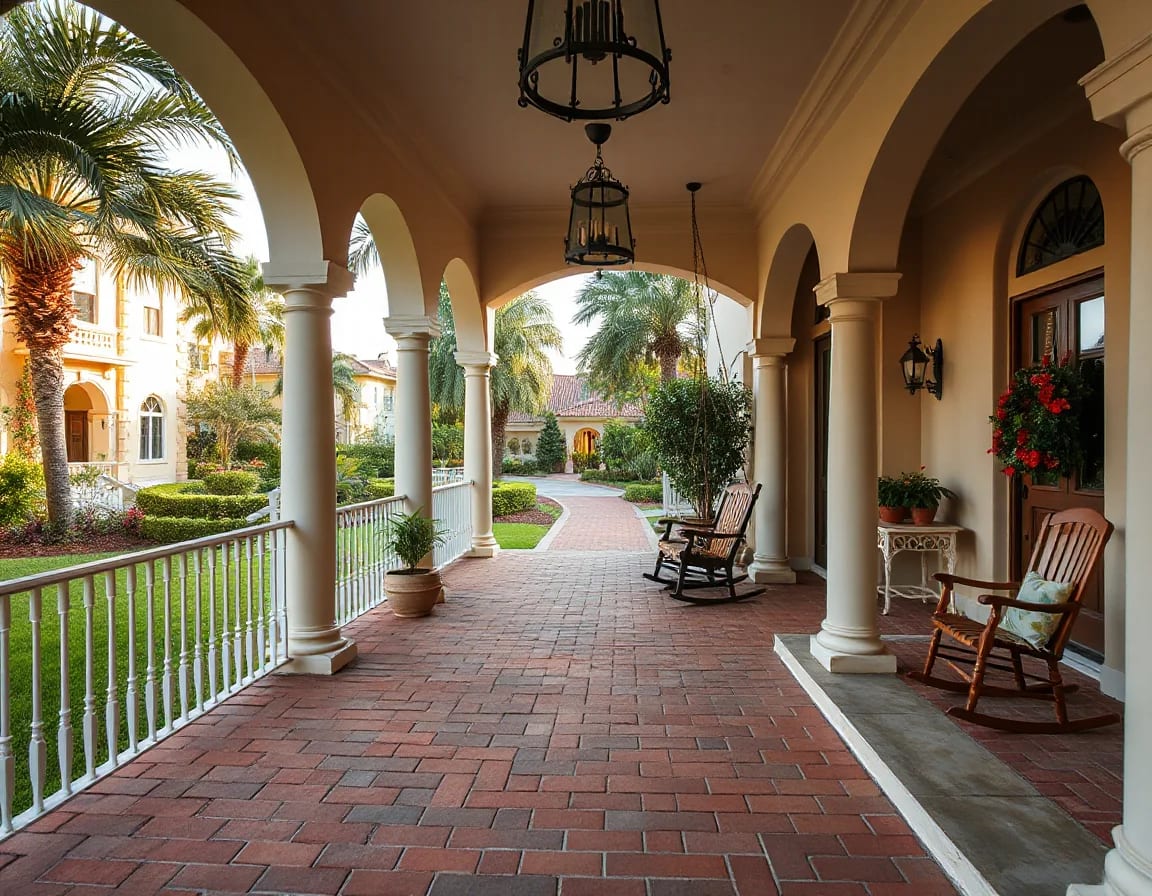
Some Miami homes retain buyer interest more consistently because of advantages that are difficult to recreate: a well-positioned lot, a livable floor plan, reliable systems, and a location that supports everyday life. Buyers who look beyond surface finishes can compare properties with more confidence, while sellers can better explain the lasting strengths behind their home’s value.
Why some Miami homes stand out over time
Miami is a market of distinct neighborhoods, architectural styles, and lifestyle priorities. A polished kitchen or fresh paint can make a powerful first impression, but the qualities that tend to support long-term demand are often less obvious during an initial showing. Street placement, lot usability, natural light, access, and the character of the surrounding block can all shape how a property is perceived today and when it returns to the market later.
For buyers, the goal is not to find a home that looks exactly like every other option. It is to recognize the features that remain valuable even as personal tastes, design trends, and market conditions change. For sellers, those same features provide a clearer foundation for pricing and positioning a property thoughtfully.
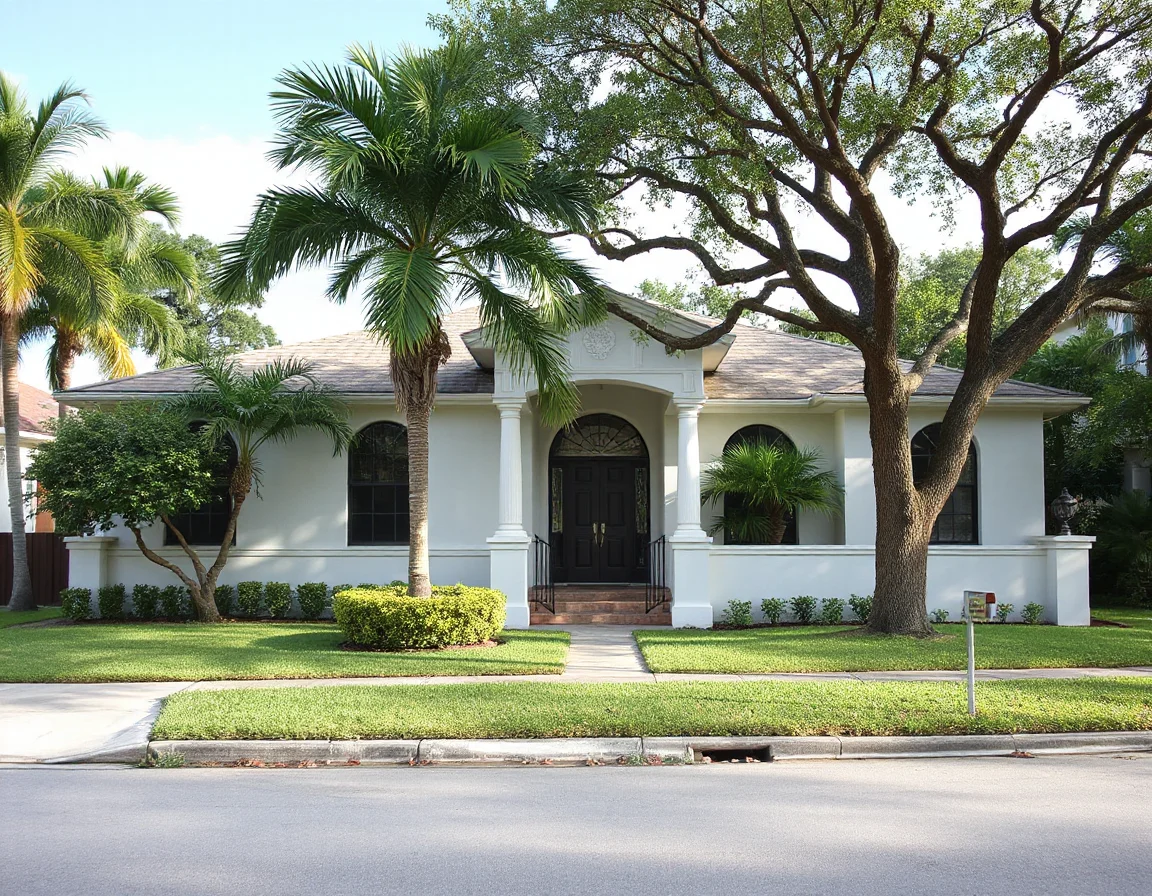
One important clue is the quality and consistency of the immediate setting. A home does not need to sit on a perfectly uniform street to benefit from a strong neighborhood presentation. In fact, Miami’s most appealing residential areas often have a mix of architectural eras and individual character. What matters is whether the block feels established, maintained, and comfortable to navigate. Mature landscaping, cared-for neighboring properties, reasonable traffic flow, and a cohesive streetscape can all help a home make a stronger impression over time.
Another is lot presence. The relationship between a house, its outdoor space, and the street can be hard to duplicate. A property with useful setbacks, privacy from neighboring homes, attractive greenery, and space for outdoor living often has an advantage over a similarly sized home on a more constrained site. In Miami, where indoor-outdoor living is part of the appeal, a functional patio, pool area, garden, or shaded gathering space may matter just as much as a dramatic interior finish.
When two homes offer similar square footage and bedroom counts, the one with stronger lot presence, privacy, and daily usability often earns more sustained attention from buyers.
Street position deserves a careful look as well. Homes on quiet interior streets may appeal to buyers who prioritize calm and privacy, while properties near major routes may offer convenience but require a closer evaluation of traffic, sound, and access. Corner lots can create extra light and visibility, yet their value depends on landscaping, fencing, parking, and the flow of the surrounding streets. There is no universally better position; the key is understanding how the placement supports the lifestyle a future buyer is likely to want.
The practical details that continue to matter
A beautiful home is easier to appreciate when it also works well on an ordinary weekday. That is why an adaptable floor plan is one of the strongest signals of lasting value. Clear circulation, comfortable room proportions, useful storage, and a logical separation between gathering spaces and private areas are features that tend to remain relevant. A home does not have to be the largest on the market to be compelling; it needs to make effective use of the space it has.
Natural light and the connection between interior and exterior areas also matter. Buyers often respond to rooms that feel open without being exposed, living spaces that lead naturally to a patio or yard, and layouts that accommodate both quiet routines and entertaining. In South Florida, this can include covered outdoor areas, impact-rated openings, shaded terraces, or a pool setting that feels integrated with the home rather than added as an afterthought.
Practical access and parking are equally important. Driveway configuration, garage dimensions, guest parking, rear access, and ease of entering the property can influence everyday satisfaction. In established Miami neighborhoods, where homes and lot layouts vary widely, these details can become meaningful differentiators. Buyers should take time to picture arrivals, deliveries, visitors, and routine comings and goings rather than treating parking as a secondary consideration.
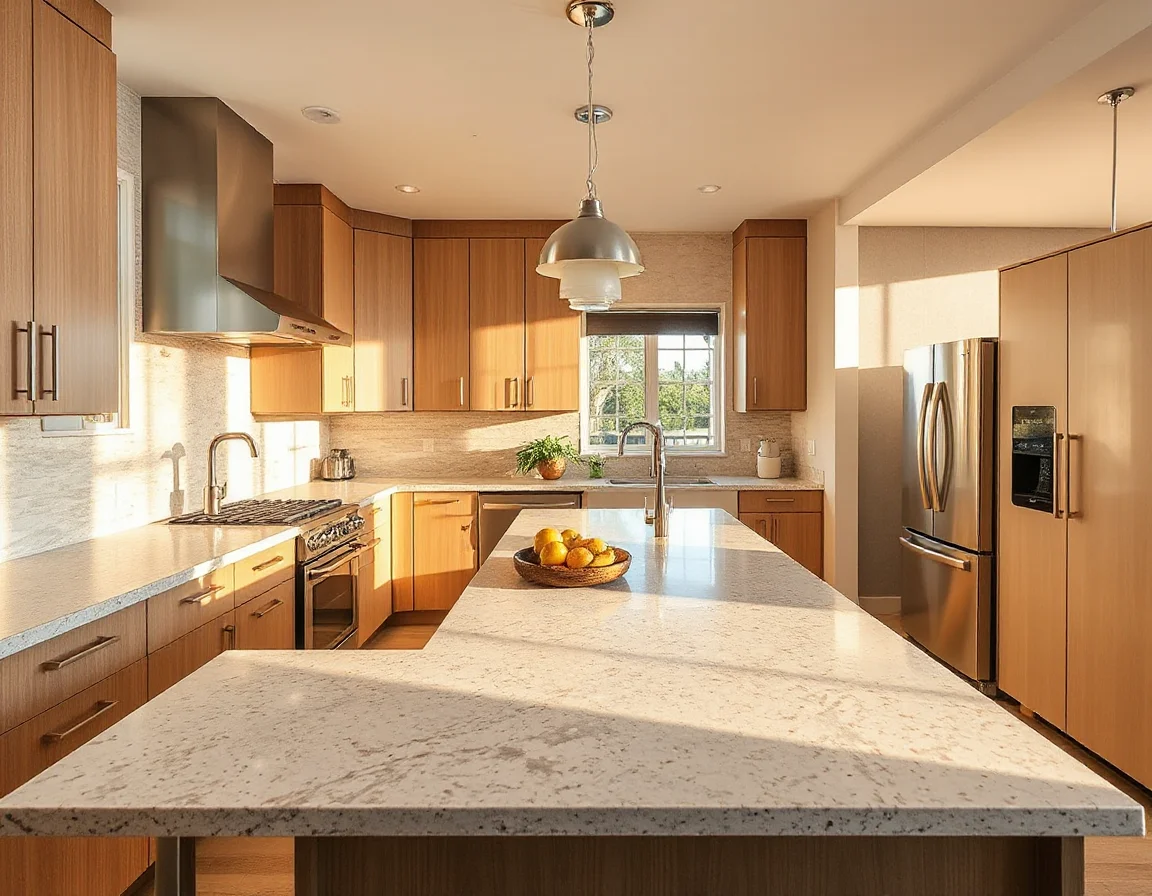
Then there is the difference between a renovation that photographs well and one that is built to last. Timeless renovation quality usually respects the home’s scale and architectural character while making it more functional for modern living. Durable materials, well-proportioned cabinetry, practical lighting, and cohesive finishes tend to have broader appeal than highly personalized choices. Updated kitchens and baths can certainly add value, but buyers should also ask about the work behind the walls.
Roofing, plumbing, electrical systems, drainage, air conditioning, windows, and storm-readiness improvements may not have the instant visual impact of a designer backsplash, but they can shape both confidence and future expenses. Sellers who can clearly document meaningful upgrades often make it easier for buyers to understand the substance behind the presentation.
Cosmetic appeal may prompt a showing, but durable systems, a flexible layout, and well-considered access are often what preserve a home’s resale flexibility years later.
How location supports future demand
Miami buyers are rarely choosing only a house. They are choosing how they want to live day to day. That makes proximity to useful amenities another important clue. Access to parks, schools, dining, cultural destinations, employment centers, major roads, and everyday services can strengthen a property’s appeal when it is balanced with residential comfort.
The best location is not always the closest one to the busiest destination. A home that is convenient to the places people enjoy while retaining a sense of privacy and ease can offer a particularly compelling combination. Consider the actual route to favorite neighborhood spots, the character of nearby streets, and whether the home’s setting feels connected without feeling overexposed to noise or activity.

Neighborhood identity can also support staying power. Whether a buyer is drawn to the energy of Miami, the leafy streets of Coral Gables, the village feel of Coconut Grove, the shoreline lifestyle of Key Biscayne, or another nearby community, a recognizable sense of place is difficult to manufacture. Homes that connect naturally to a neighborhood’s established appeal can attract buyers with different needs at different stages of life.
A useful way to compare homes is through the lens of replacement difficulty. Appliances can be upgraded. Walls can be repainted. Fixtures can be changed. A better lot orientation, more private outdoor space, a calmer street, stronger neighborhood context, or an easier commute is much harder to reproduce. Those harder-to-copy advantages often explain why properties with similar specifications can perform very differently over time.
A smarter way to evaluate lasting value
Lasting home value rarely comes from one dramatic feature. More often, it is built from several advantages working together: an appealing setting, a useful lot, sound construction and systems, a practical layout, thoughtful improvements, and a location that supports the way people actually live. In the Miami area, these strengths may show up in subtle ways, but they can influence buyer demand well beyond the first impression.
Buyers can make clearer comparisons by looking past the easiest details to change and focusing on the elements that will still matter in the future. Sellers can use the same framework to prepare, price, and market their home around qualities that deserve attention. A knowledgeable local perspective can help identify which features are most meaningful for a particular Miami neighborhood and property type.